

Classic Historia may receive a commission on purchases made through Amazon and eBay affiliate links at no additional cost to you.
Look up at any old barn or church steeple, and you'll likely spot one spinning in the breeze—a weathervane, that simple yet ingenious device that's been telling us which way the wind blows for over 2,000 years.
These operational pieces of folk art have crowned church buildings from ancient Greek temples to Victorian town halls, evolving from practical navigation tools into beloved symbols of rural life and architectural charm, which are reminders of a simpler time. But the story of weathervanes runs much deeper than their quaint countryside appeal; weathervanes have quietly shaped how we understand and interact with the natural world around us.
Earliest Recorded Weather Vanes
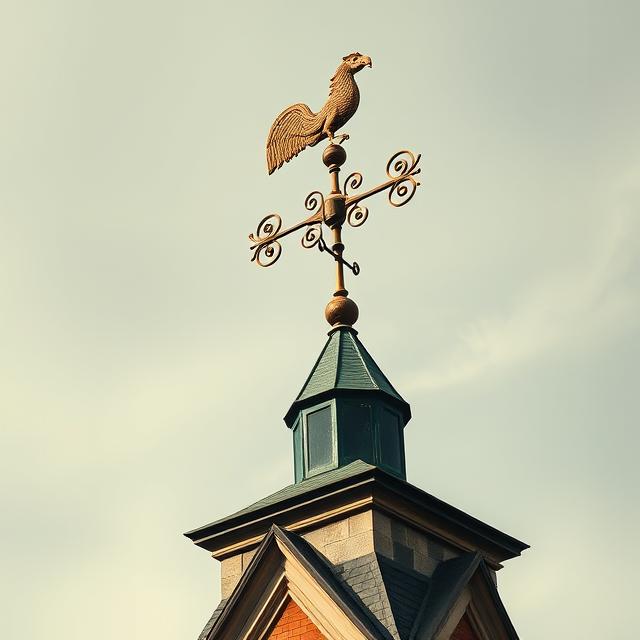
The knowledge of wind vanes existing during Babylonian times comes in part from ancient texts and folklore, such as the "Fable of the Willow," which references people observing wind direction as early as 1800–1600 BCE. These devices held great symbolic significance, and since it was part of ancient cultures, they represented a means for divine forces to communicate favor or displeasure, especially concerning harvest outcomes.
While archaeological evidence is scarce, a combination of Akkadian literature and records from ancient Mesopotamia supports the notion that early weathervanes were not only present but integral to both the practical and spiritual life of Babylonian society.
These early devices, often simple in design, were likely mounted on tall structures, such as temples, to provide visibility and enhance their utility. This innovation reflects the Babylonians' advanced understanding of natural forces and their ingenuity in using tools to adapt to and predict environmental changes.
$299.11
5 out of 5 stars
Golden Retriever Weathervane in Polished Copper
Bring Charm to Your Rooftop with This Stunning Polished Copper Weathervane Featuring a Lovable Golden Retriever Design
Product information
Product Review Score
Product links
The ancient Greeks further advanced the use of weathervanes, elevating them from purely functional tools to decorative and symbolic artifacts. Around 50 BCE, the Greek astronomer Andronicus of Cyrrhus designed a weathervane for the top of the Tower of the Winds in Athens. This weathervane was shaped like a bronze sea creature, and served not only to indicate wind direction but also to connect weather patterns to celestial and mythological beliefs. The Greeks demonstrated remarkable craftsmanship and creativity by combining functionality with artistic expression, showcasing their deep appreciation for both science and aesthetics.
The Religious Tradition
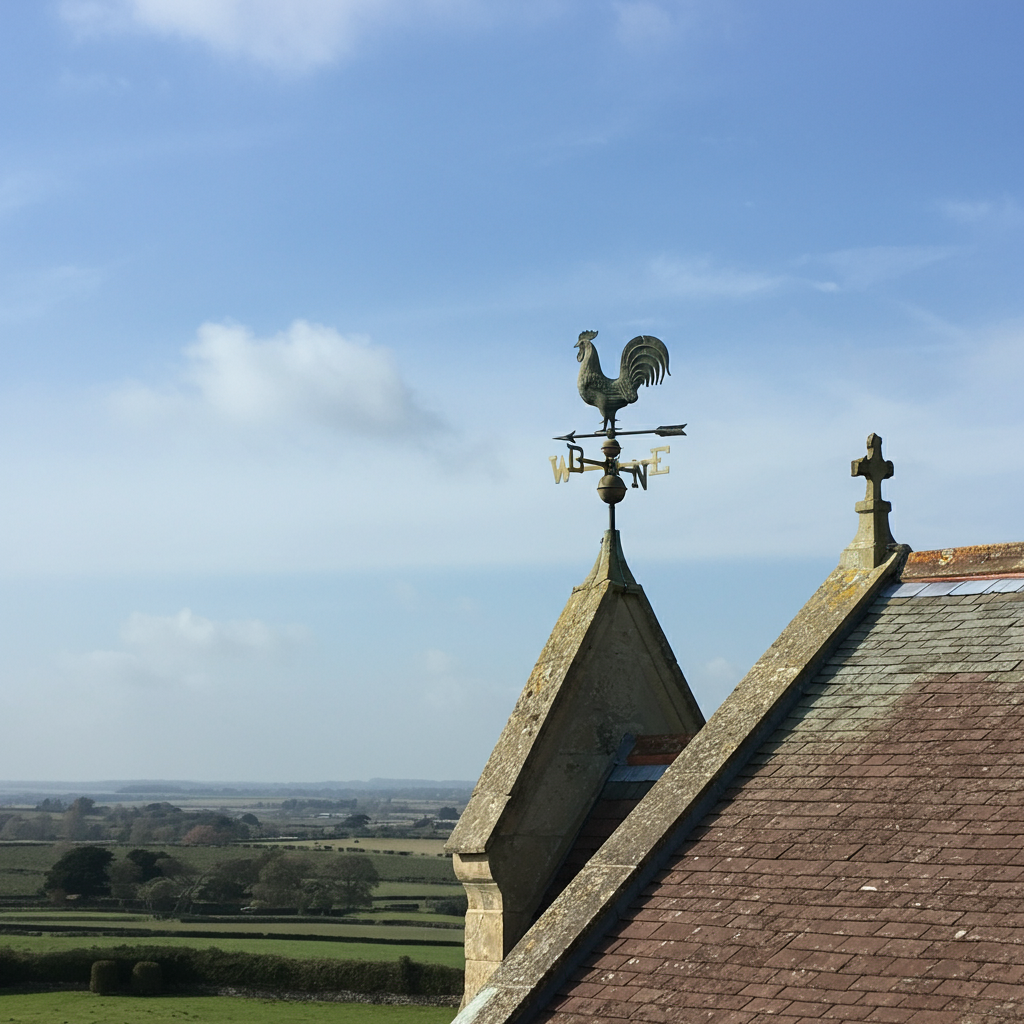
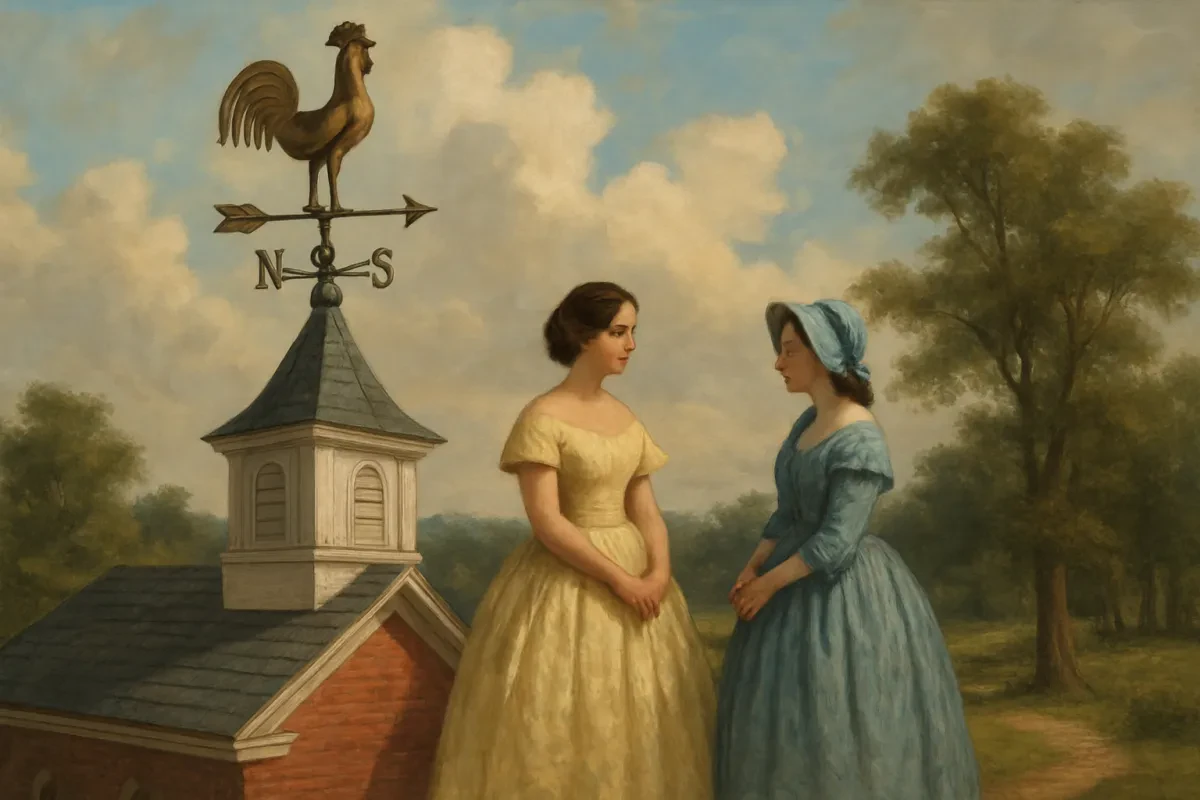
By the 9th century, weathervanes had found their most enduring symbol: the rooster. In 820 CE, Pope Nicholas I decreed that all church spires should display a weather cock as a reminder of Jesus's prediction that St. Peter would deny him before the rooster crowed.
This religious mandate transformed weathervanes from useful tools into spiritual symbols. Medieval churches across Europe began displaying elaborate rooster weathervanes, often crafted by skilled blacksmiths who treated each piece as a work of art.
Centuries later, Pope Gregory IX further solidified the rooster's association with faith by endorsing its use atop church spires. This continuation emphasized the importance of weathervanes not only as functional instruments but also as enduring spiritual reminders for congregations.
Notable Facts
- The Dove of Peace also became a symbol incorporated into weather vanes, particularly during the 18th and 19th centuries. Representing hope and tranquility, doves adorned weather vanes atop churches and public buildings, serving as a universal emblem of peace and unity.
- The archangel Gabriel was a prominent figure depicted on weathervanes during the late 19th century, symbolizing divine communication and protection. Often found atop churches, these weathervanes served as both spiritual representations and beneficial tools for gauging wind direction.
The Golden Age of American Weathervanes
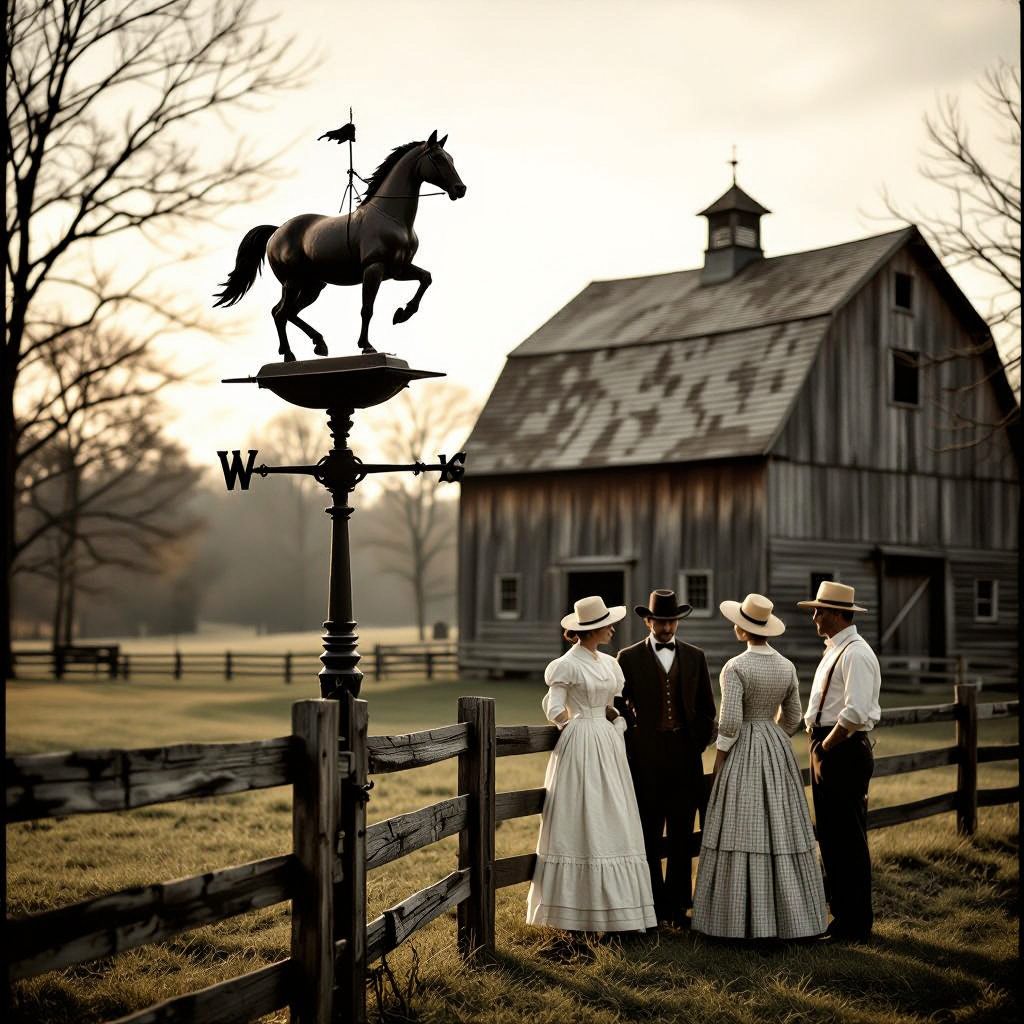
The 18th and 19th centuries marked the golden age of weathervane craftsmanship in the United States. As settlements spread across the continent, weathervanes became essential tools for American pioneers like farmers, millers, and anyone whose livelihood depended on wind patterns.
Thomas Jefferson, The Architect
Thomas Jefferson, the third President of the United States and an accomplished architect, demonstrated his passion for both meteorology and innovative creation through his use of weathervanes at Monticello, his beloved Virginia estate. The most famous weather cock at Monticello featured a large banner that connected through the roof to a compass rose in the entrance hall below, allowing Jefferson to check wind direction from inside his home without stepping outdoors. This ingenious system reflected Jefferson's scientific curiosity and his belief that understanding weather patterns was essential for successful farming, embodying his vision of blending effectiveness with architectural class.
Deacon Shem Drowne: America's First Master
Shem Drowne, a deacon, coppersmith, and recorded weathervane creator, developed some of America's most famous early weathervanes. His 1742 famous grasshopper vane atop Boston's Faneuil Hall became an instant landmark.
Drowne's work is significantly part of a great American tradition that emphasized local symbols compared to European imagery. His weathervanes featured a rooster, a banner with a swallow-tailed shape, and other elements that reflected the New World's priorities and identity.
The Industrial Revolution's Impact
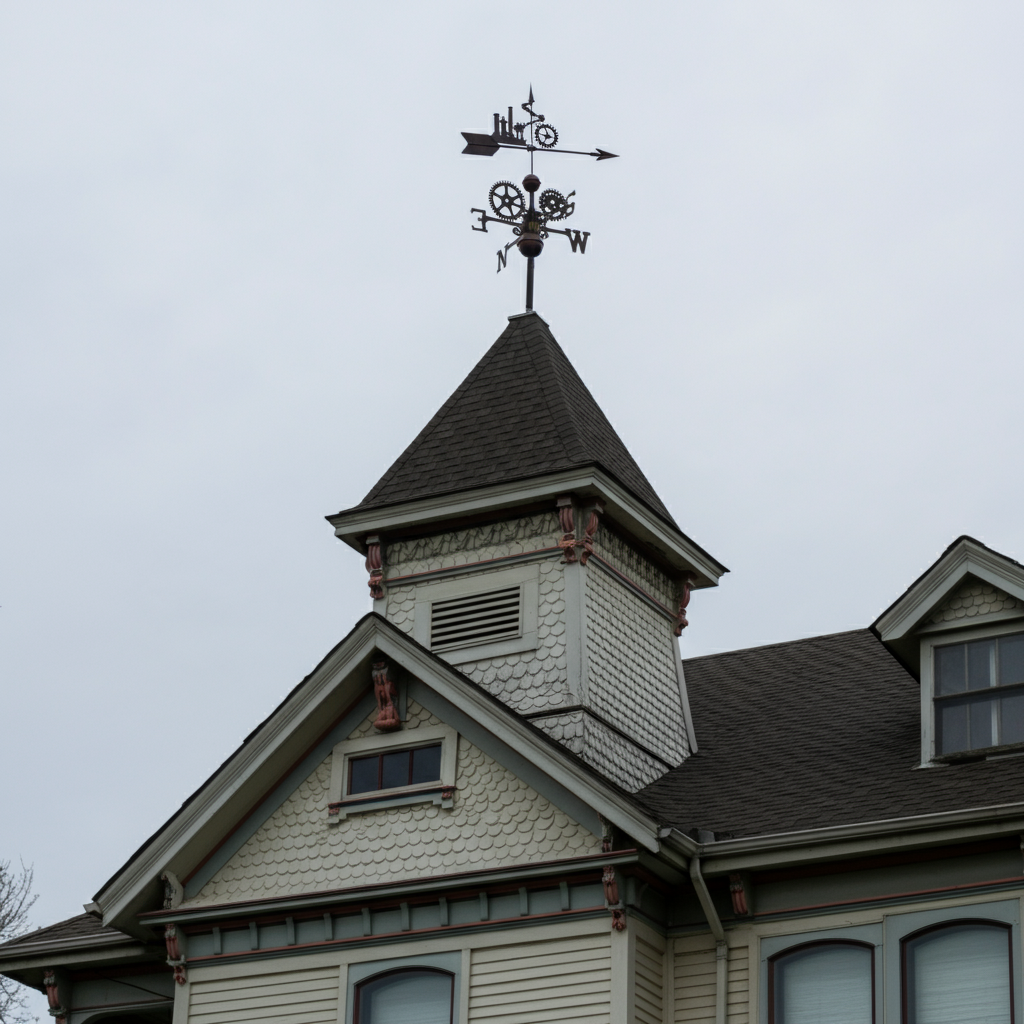
The mid-1800s brought mass production to weathervane manufacturing. A notable company, J.W. Fiske in New York City, began producing weathervanes from pressed copper and cast iron, making them affordable for ordinary citizens.
This democratization led to an explosion of creative elements. Weathervanes appeared in the shapes of fire engines, locomotives, farm animals, and even human figures. Each told a story about its owner's profession, interests, or sense of humor.
Notable Victorian Examples
The Statue of Liberty weathervane, created for the 1876 Centennial Exhibition, stood 3.23 feet tall. Though impractical for actual use, it demonstrated the artistic heights weathervane makers could achieve.
In rural America, folk artists created weathervanes from whatever materials they could find. Whittled wood, bent metal, and painted tin all served as media for these functional sculptures that crowned farmhouses, barns, and general stores.
Maritime and Agricultural Applications
Weathervanes weren't just decorative—they were essential tools for survival and prosperity in pre-industrial society.
Coastal Communities
In New England fishing villages, weathervanes helped predict storms and determine the best times for sailing. Ship captains consulted weathervanes on prominent buildings before departing, knowing that wind direction could mean the difference between a profitable voyage and disaster at sea.
The famous cod weathervane tradition along the Massachusetts coast reflected both economic importance and local pride. These detailed fish weathervanes, often carved by ship carpenters during winter months, advertised the community's primary industry while providing practical weather information.
Agricultural Wisdom
Farmers developed various methods for reading weathervanes in conjunction with other natural signs. A weathervane pointing east might signal rain within 24 hours, while a steady westerly wind often meant clear skies ahead.
Grain millers particularly relied on weathervanes. Wind-powered gristmills needed consistent airflow to operate efficiently, and millers became expert at predicting wind patterns by watching their weathervanes and understanding local weather systems.
Artistic Evolution and Craftsmanship
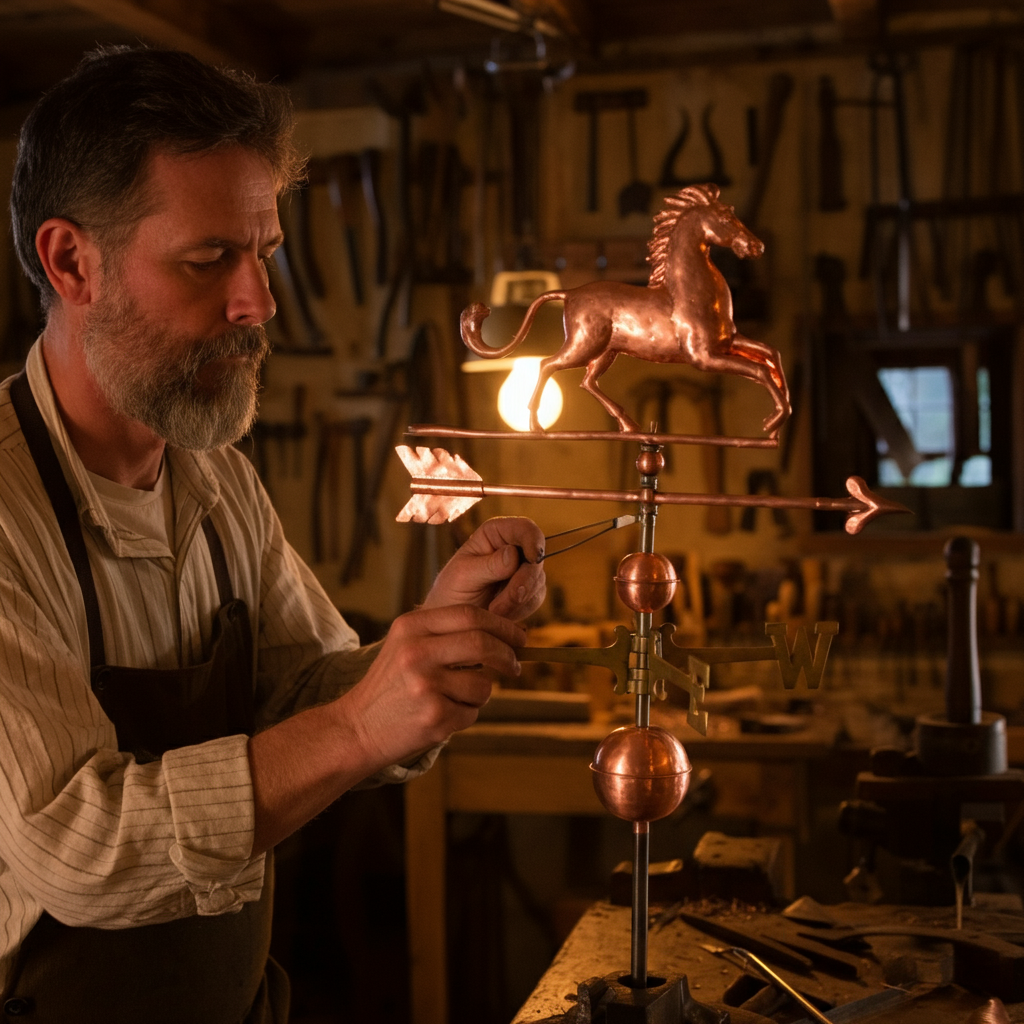
Weathervane designs reached their peak during the Victorian era, when skilled craftsmen treated each piece as both an operative tool and a sculptural masterpiece.
Equipment and Techniques
Early weathervanes were primarily made from wood or wrought iron. By the mid-1800s, copper became the preferred material for its strength and capability to develop an appealing patina over time.
The "swell-bodied" technique, developed in the 1850s, involved hammering copper sheets over wooden forms to create three-dimensional figures on top of weathervanes with remarkable detail and realism. These weathervanes featured anatomically correct horses, detailed human figures, and precisely rendered objects.
Quadrant-shaped vanes were used on Viking ships, which often featured a flat, semi-circular design, and were a popular variation in weathervane construction. These vanes were valued for their simplicity and functionality, often adorned with intricate cutouts or designs to enhance their aesthetic appeal.
Regional Styles
Different regions developed distinct weathervane traditions. Pennsylvania German communities favored geometric designs and religious symbols. New England coastal areas specialize in maritime themes. The Midwest embraced agricultural imagery, with corn, wheat, and livestock dominating designs.
Southern weathervanes often reflected plantation culture, featuring elaborate hunting scenes, racing horses, and architectural elements that echoed the grand homes they topped.
Famous Makers and Their Legacy
A weathervane maker, A.L. Jewell & Company of Waltham, Massachusetts, became renowned for their hollow-body copper weathervanes. Their 1867 catalog featured over 50 designs, from simple arrows to elaborate fire engine weathervanes complete with tiny ladders and wheels.
Harris & Company of Boston specialized in custom weathervanes for wealthy clients. Their pieces often incorporated family crests, professional symbols, or personal interests, creating unique sculptures that told individual stories.
Cultural Significance and Symbolism
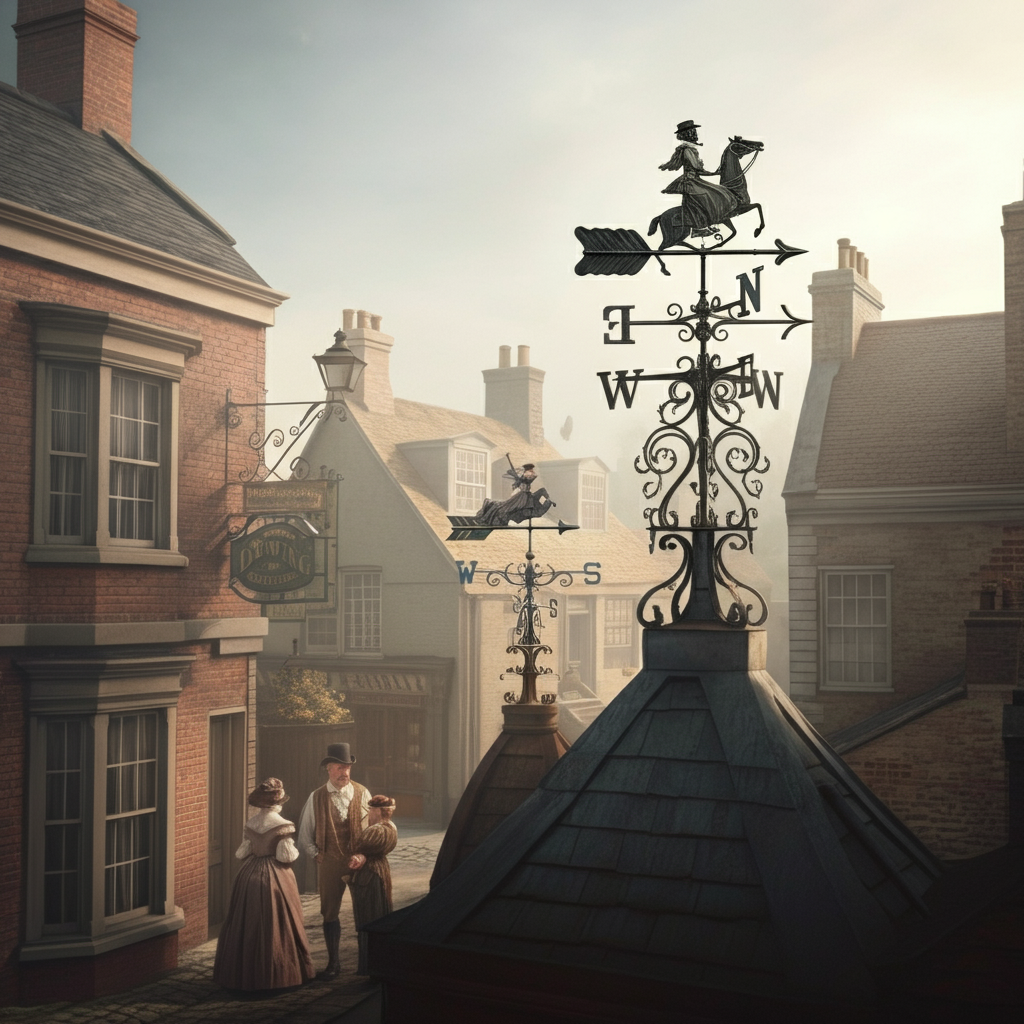
Beyond their practical purpose, weathervanes became powerful symbols in American culture, representing rural values, craftsmanship, and connection to the natural world.
Folk Art Recognition
By the 20th century, collectors and museums like the American Folk Art Museum began recognizing weathervanes as significant folk art. The Whitney Museum, the Smithsonian, and other institutions started acquiring notable examples, elevating weathervanes from functional objects to celebrated artworks.
This recognition came just in time—many 19th-century weathervanes were being discarded as buildings modernized. Collectors preserved thousands of examples that might otherwise have been lost.
Noteworthy: The Art of the Winds Exhibit
The Art of the Winds exhibition at the American Folk Art Museum showcases an impressive collection of historic weathervanes, highlighting their craftsmanship and cultural significance. Featuring pieces from private collections and renowned institutions, the exhibit explores how these functional artifacts evolved into cherished works of art. Visitors are offered a glimpse into the artistry and stories behind these unique creations.
Literary and Popular Culture
Weathervanes appeared frequently in American literature as symbols of rural life and changing times. Washington Irving described weathervanes in his Hudson Valley stories, while later writers used them as metaphors for fickleness or steadfastness, depending on the context.
The weathervane became particularly associated with New England in popular imagination, appearing on everything from maple syrup bottles to tourism brochures as a symbol of authentic American rural life.
Interesting Facts: Weathervane vs. Lightning Rod
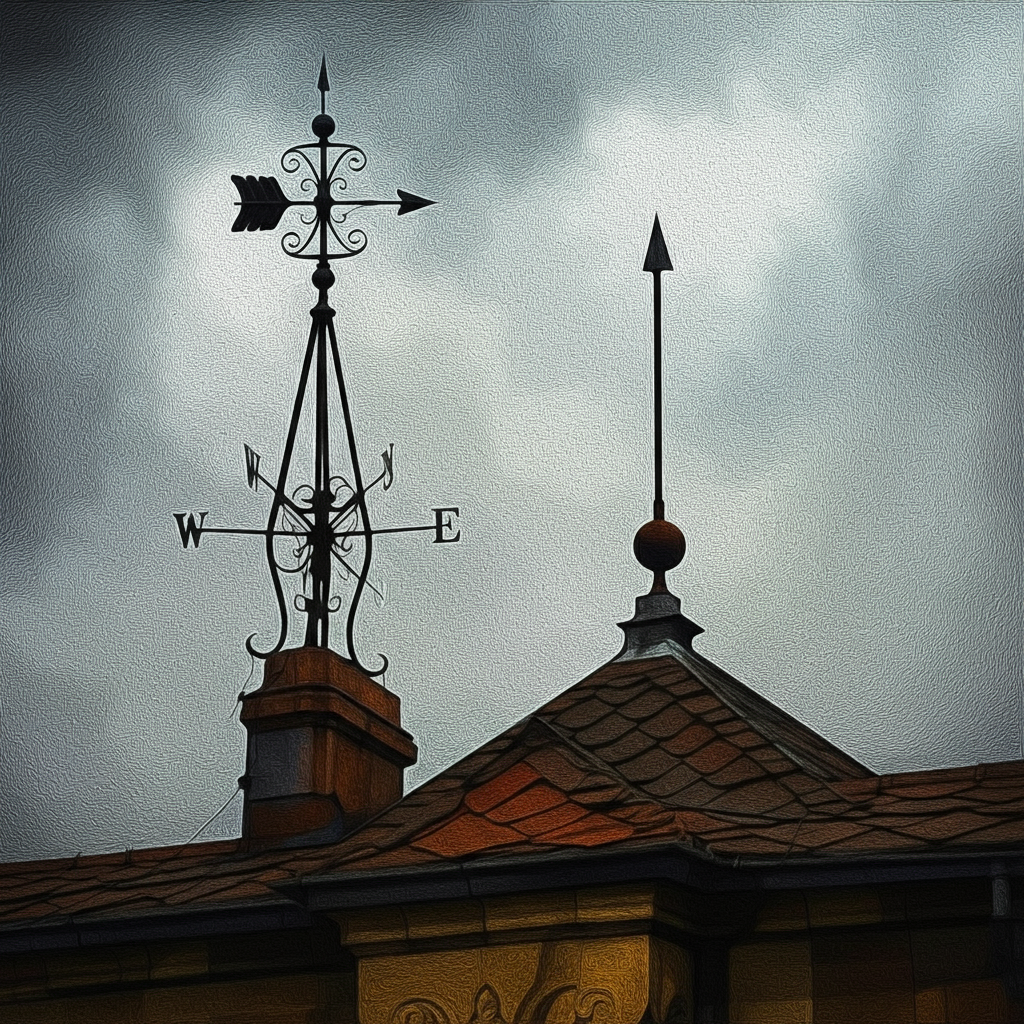
While weathervanes have topped buildings for centuries as weather indicators, the lightning vertical rod was introduced much later by Benjamin Franklin in the 18th century to protect structures from lightning strikes. Some early American homes featured both devices on their rooftops, each serving a distinct purpose: one for reading the wind, the other for safety. In some cases, they were even combined, with lightning rods cleverly disguised as decorative weathervanes. This dual function became popular, especially on historic barns and churches. Today, collectors often seek out these hybrid designs as unique examples of early American ingenuity.
Global Variations and International Traditions
While this history has focused on Western traditions, weathervanes appear in cultures worldwide, each developing unique styles and meanings.
European Variations
Scandinavian countries developed distinctive weathervane traditions featuring dragons, ships, and mythological figures that reflected Nordic cultural themes. These often incorporated more elaborate metalwork than American examples.
German weathervanes frequently featured guild symbols or regional emblems, serving as advertisements for local craftsmen or identifying marks for communities.
Eastern Traditions
Asian cultures developed their own wind direction indicators, often integrated into architectural elements or garden designs. These might take the form of decorative banners, rotating sculptures, or architectural features that moved with the wind.
Some traditional Japanese gardens include wind-responsive elements that serve similar functions to weathervanes while integrating into broader landscape design philosophies.
Preserving Tradition
Preserving tradition by incorporating a weathervane into home décor is a beautiful way to honor cultural heritage while adding charm and character to a space. These timeless pieces serve as a connection to history, blending functionality with artistry. Whether placed on rooftops, in gardens, or as indoor decorative items, they can be a subtle yet meaningful nod to traditional craftsmanship. For those looking to add this classic element to their homes, Amazon offers a diverse selection of weathervanes to suit various styles and preferences.
Like this article? Discover more at Classic Historia for a deeper exploration into the past that has shaped our world.
Stay connected with Classic Historia and discover more timeless treasures by following us on our social media platforms:

"With Classic Historia, you can find the perfect gift for any occasion or add a touch of nostalgia to your own home."
Business Phone Number:
(833) 222-7544
Business Address:
Classic Historia
1220 Oak Street, Suite J PMB1007
Bakersfield, CA 93304-1072
United States