
Classic Historia may receive a commission on purchases made through Amazon and eBay affiliate links at no additional cost to you.
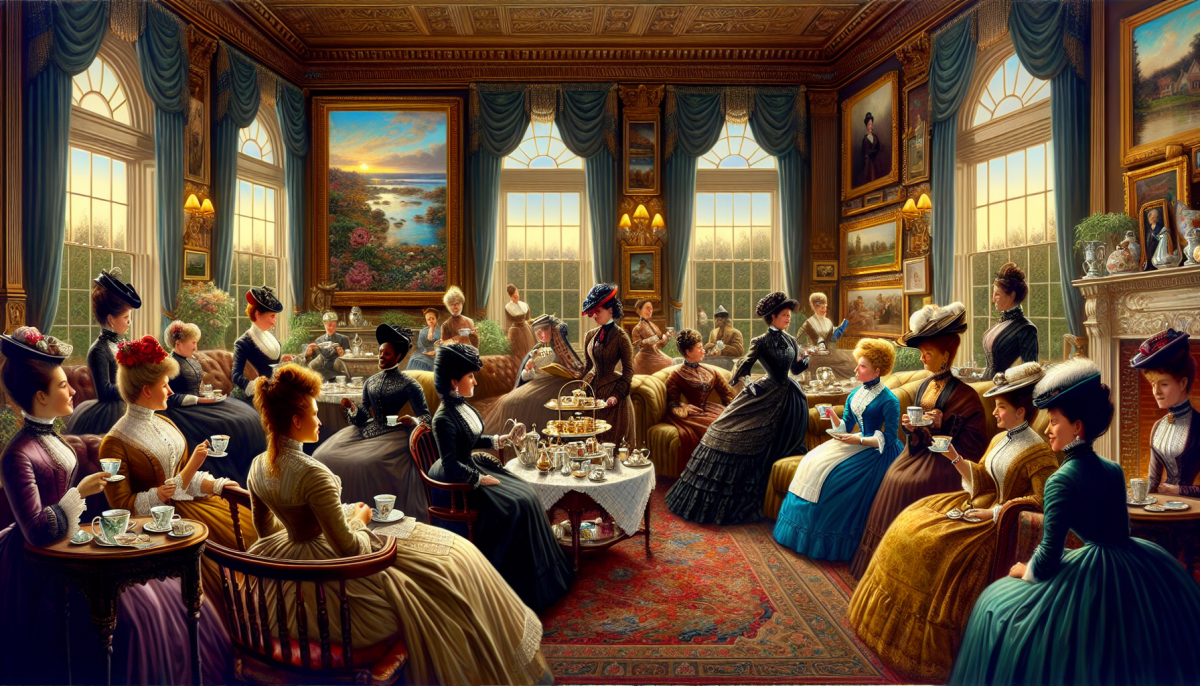
Afternoon tea is a cherished tradition celebrated in various forms across the globe, reflecting the unique customs and flavors of different cultures. From the elegant tea services of England, featuring fine china and delicate pastries, to the traditional tea ceremonies of Japan, emphasizing mindfulness and harmony, each culture brings its own meaning and rituals to this timeless practice. Whether it’s a social gathering, a moment of personal relaxation, or a ceremonial act, the way tea is enjoyed highlights the values, tastes, and traditions of the community it belongs to.
Great Britain
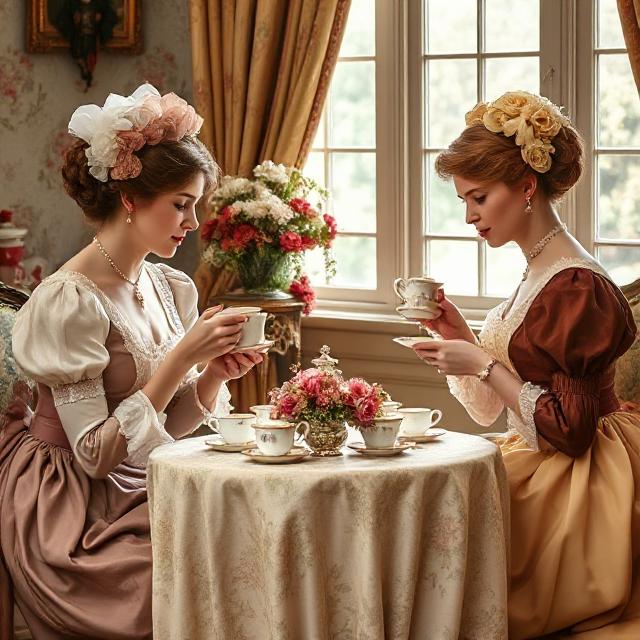
The Origin of Afternoon Tea in Great Britain
The tradition of afternoon tea began close to the mid-19th century and is credited to Anna Russell, the seventh Duchess of Bedford. During that period, the custom of eating dinner later in the evening was growing in popularity; however, this left a long gap between meals. To stave off hunger, Anna started asking for a light meal of tea, bread, and cakes to be served in her room around 4 PM. This habit became a social event, and soon the aristocracy adopted the practice, transforming it into a refined and ritualized pastime. By the late 19th century, afternoon tea was an established feature of British culture, particularly among the upper class.
The Most Popular Tea in Great Britain
The British are renowned for their love of black tea, with blends like English Breakfast and Earl Grey topping the list of favorites. English Breakfast is a robust, full-bodied tea often enjoyed with milk and sugar, while Earl Grey offers a subtle hint of citrus from its bergamot flavoring. These teas are popular not only for their taste but also for their versatility, as they can be paired with various treats served during afternoon tea.
Accompaniments for Tea
A traditional afternoon tea is incomplete without an array of delectable snacks. Common accompaniments include:
- Scones with Clotted Cream and Jam
A quintessential item, scones are typically served warm with a dollop of rich clotted cream and fruit jam, usually strawberry or raspberry.
- Finger Sandwiches
Cucumber sandwiches, egg mayonnaise, smoked salmon, and ham with mustard are classic choices that complement the tea perfectly.
- Pastries and Cakes
Small portions of Victoria sponge cake, Battenberg, and fruit tarts are perfect sweet treats to round out the experience.
- Biscuits
Digestive biscuits or shortbread are often enjoyed as a simple yet satisfying pairing.
Interesting Facts
- Afternoon tea was introduced as a solution to a light hunger but evolved into a cultural ritual.
- Queen Victoria helped popularize the custom by making it a significant social event of the time.
- On average, Brits consume over 100 million cups of tea daily, making it the most popular beverage in the country after water.
- The addition of milk to tea, common in Britain, is said to have started as a way to prevent porcelain cups from cracking due to the heat of the tea.
- Traditional afternoon tea is often confused with "high tea," which is actually more of a hearty evening meal consumed by the working class.
Afternoon tea remains a delightful and cherished part of British culture, offering a perfect blend of comfort, tradition, and indulgence.
China
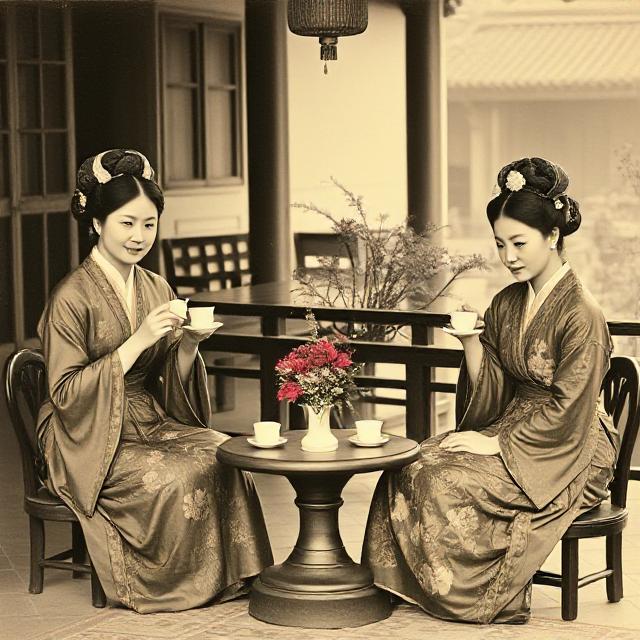
Chinese Tea Culture
Chinese tea culture is a vital part of China's history, deeply rooted in tradition and daily life. Tea has long been revered not just as a beverage but as an art form, a symbol of philosophy, and a method to nurture health and well-being. The cultivation, preparation, and consumption of tea reflect the country's values of harmony, balance, and connection to nature.
The Origin of Tea
The origin of tea in China dates back thousands of years. According to legend, tea was discovered by Yan Emperor Shennong in 2737 BCE when tea leaves accidentally blew into his pot of boiling water. Intrigued by the aroma and taste, he began experimenting with tea, recognizing its medicinal properties. This ancient legacy would eventually grow into a vast cultural phenomenon throughout China and beyond.
Popular Types of Tea
China is home to a diverse array of teas, each with its unique flavor profile and benefits. Among the most popular are green tea, black tea, white tea, oolong tea, pu-erh tea, and yellow tea. Longjing (Dragon Well) green tea and Tie Guan Yin oolong tea are particularly cherished both domestically and internationally. Pu-erh tea, known for its fermentation process, is renowned for its earthy flavor and health-promoting qualities.
Various Types of Teas in China
China boasts an impressive variety of teas, categorized broadly into six main types based on their processing methods—green, black (called “red tea” in China), white, oolong, yellow, and dark (like pu-erh). These categories encompass hundreds of regional sub-varieties, reflecting the diverse climates, soils, and traditions across the country.
Pairing Tea with Food
Chinese tea is often paired with food to elevate both the tea-drinking experience and the meal itself. For instance, green tea is frequently enjoyed alongside light dishes such as steamed fish or fresh fruits, thanks to its refreshing taste. Meanwhile, darker teas like pu-erh are ideal for rich or greasy foods, as they aid digestion. Dim sum is a popular accompaniment to tea, particularly in southern China, where freshly brewed pots are served alongside small, savory bites.
Interesting Facts About Chinese Tea
- The Birthplace of Tea: China is widely regarded as the birthplace of tea, with a history that spans over 4,000 years.
- The World’s Oldest Tea Tree: The oldest tea tree, located in Yunnan Province, is believed to be over 3,000 years old and is still producing tea leaves.
- Gongfu Tea Ceremony: The traditional Chinese tea ceremony, known as "Gongfu Cha," emphasizes precision and mindfulness to bring out the best flavors of tea.
- Pu-erh as an Investment: Aged pu-erh tea is highly prized and often treated as a valuable investment, much like fine wine.
- Tea as Medicine: Traditional Chinese medicine often integrates tea for its numerous health benefits, emphasizing its ability to balance the body and soothe the mind.
Chinese tea culture, with its rich history and profound influence, continues to captivate tea lovers worldwide. It is not just a drink, but a gateway to understanding the traditions and values of China.
United States
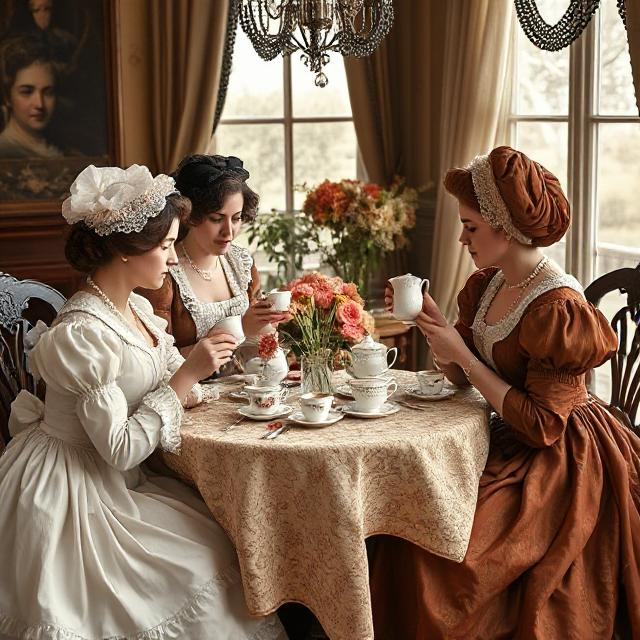
Tea Culture
Tea culture in the United States differs significantly from the centuries-old traditions of Asia and Europe but has its own unique history and practices. Tea gained popularity in the U.S. during the colonial era and was a significant part of early American society, with events like the Boston Tea Party symbolizing its historical importance. Although coffee now dominates American preferences, tea still holds a prominent place in the beverage landscape.
Origin of Tea
Tea was introduced to the United States during the colonial times by European settlers. It quickly became a favored beverage among the colonists, with imports of black tea from China dominating tea consumption. However, the infamous Boston Tea Party of 1773, a protest against British taxation, marked a shift in American attitudes toward tea consumption for decades. Today, tea in America has evolved to encompass various global influences, from matcha to chai.
How Tea is Served
In the United States, tea is served in a variety of ways, reflecting the diversity of its population. Traditional hot tea is often served with lemon, honey, or milk, while sweet tea—a chilled, sugary rendition—is a staple in the southern states. Iced tea, both sweetened and unsweetened, is an iconic American adaptation that has gained widespread popularity, especially during the warmer months. Tea is also served in herbal, decaffeinated, or blended forms, catering to different preferences.
Popular Teas
- Black Tea - Known for its robust flavor, black tea remains one of the most widely consumed in the U.S., often enjoyed in both hot and iced forms.
- Green Tea - Valued for its health benefits, green tea is a popular choice for health-conscious individuals.
- Herbal Tea - Options like chamomile, peppermint, and hibiscus attract those seeking caffeine-free alternatives.
- Chai Tea - This spiced tea with milk has become a favorite over recent years thanks to its rich, warming flavors.
- Matcha - A powdered green tea originally from Japan, matcha has seen a rise in popularity due to its unique taste and health properties.
Foods Often Served with Tea
Tea in the United States is paired with a variety of foods based on the occasion. Traditional tea-time snacks include finger sandwiches, cookies, and scones, often influenced by British high tea practices. Sweet tea in the South is frequently paired with savory dishes such as fried chicken or barbecue, while lighter teas like green and herbal pair well with salads, fruits, or desserts. The food-tea pairing can vary widely depending on regional and personal preferences.
4.9 out of 5 stars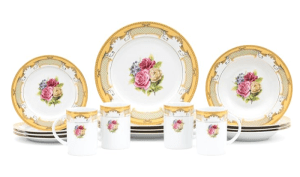
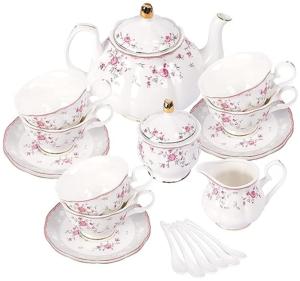
Vintage-Inspired Porcelain Dinnerware Set for 4
Elevate Your Dining Experience with This Charming Porcelain Dinnerware Set
Product information
Product Review Score
Product links
Interesting Facts
- The U.S. is one of the largest consumers of iced tea, with over 80% of tea consumed in the country being served cold.
- National Iced Tea Day is celebrated every year on June 10th to honor this beloved beverage.
- Tea bags were accidentally invented in the U.S. in the early 1900s when a tea merchant sent out samples in silk pouches, and customers mistakenly steeped the tea without removing the packaging.
- Arizona and other large tea brands have popularized ready-to-drink teas, making tea readily available and easy to consume on the go.
- Boston celebrated the 250th anniversary of the Boston Tea Party in 2023, commemorating the historic event that played a pivotal role in America’s fight for independence.
Tea culture in the United States is a fascinating blend of tradition, modern adaptations, and innovation. While it may lack the elaborate rituals of other nations, it reflects the diverse, creative, and evolving tastes of the American people.
India
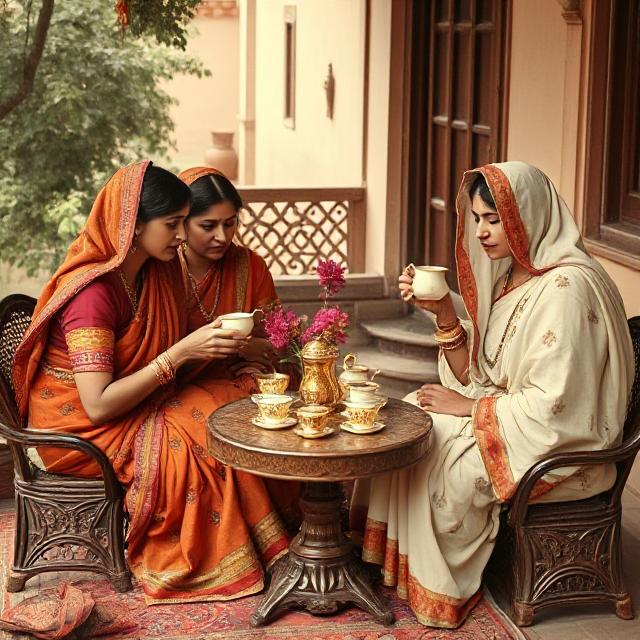
India is one of the largest producers and consumers of tea in the world, and tea has become deeply ingrained in the country's culture and daily life. Known locally as "chai," tea is more than just a beverage in India—it is a symbol of warmth, hospitality, and togetherness.
Origin of Tea in India
The origin of tea in India dates back thousands of years, with early mentions found in ancient Indian texts. However, tea planting and cultivation gained momentum during the British colonial era in the 19th century. The British East India Company saw the potential of India's climate and geography for tea cultivation, particularly in regions like Assam and Darjeeling. Over time, India became a key player in the global tea industry.
Popular Types of Tea in India
- Masala Chai - A spiced tea made with black tea, milk, sugar, and a blend of spices such as cardamom, cinnamon, ginger, and cloves.
- Darjeeling Tea - Often referred to as the "Champagne of Teas," this tea is known for its delicate flavor and floral aroma.
- Assam Tea - A strong and bold tea, Assam is often used in breakfast blends and chai.
- Kashmiri Kahwa - A traditional green tea from Kashmir flavored with saffron, almonds, and spices, offering a rich and aromatic experience.
- Nilgiri Tea - Tea from the Nilgiri hills in South India, known for its fragrant and brisk flavor profile.
Pairings with Tea in India
Tea in India is often accompanied by an assortment of snacks, making it a delightful experience. Some popular accompaniments include:
- Pakoras - Deep-fried fritters made with vegetables or paneer.
- Samosas - Triangular pastries filled with spiced potatoes, peas, or meat.
- Biscuits - Simple buttery or cream biscuits are often dunked in tea.
- Parathas - Indian flatbreads, sometimes served stuffed with potatoes or other fillings.
Interesting Facts about Tea in India
- India is the second-largest tea producer in the world after China.
- The annual International Tea Festival is held in Assam, celebrating the region's tea heritage.
- "Chai wallahs," or tea vendors, are iconic figures in Indian streets and train stations, serving freshly brewed tea.
- Tea is considered a remedy for common ailments like colds, with popular home remedies involving ingredients like ginger and turmeric.
- The Darjeeling and Assam teas are globally recognized with their respective Geographic Indication (GI) tags for their exceptional quality.
India’s tea culture is vibrant, steeped in history, and deeply connected to its social fabric, making every cup of tea not just a drink but a meaningful experience.
Turkey
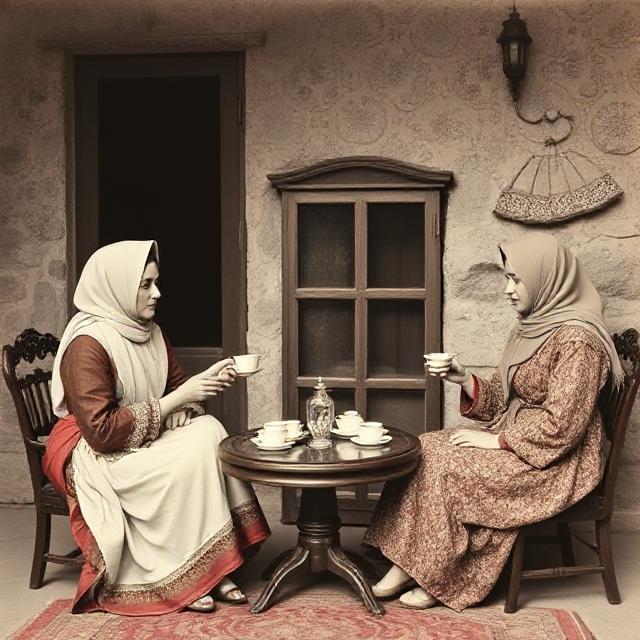
Turkey has a deeply ingrained tea culture that is celebrated across the country. Turkish tea, or "çay," is more than just a beverage—it is a symbol of hospitality, friendship, and tradition. Tea is an integral part of daily life in Turkey and can be found everywhere, from bustling tea houses ("çay bahçesi") to quiet households.
History of Tea in Turkey
Tea is believed to have made its way to Turkey through the Silk Road as early as the 5th century. This ancient trade route connected East and West, allowing the exchange of goods, culture, and ideas. Tea, originating from China, was one of the many valuable commodities transported along this network. Over time, tea began to take root in the region, gradually becoming a cherished part of Turkish culture and daily life.
Tea in Turkey became widely popular in the early 20th century when coffee imports became expensive and hard to access due to economic conditions following World War I and the collapse of the Ottoman Empire. Atatürk, the founder of the Republic of Turkey, encouraged tea consumption as an affordable alternative to coffee, which helped integrate tea into Turkish culture. Additionally, the economic effort to popularize tea expanded its availability and made it a staple of daily life. Over time, tea became an indispensable part of Turkish identity and traditions.
The cultivation of tea in Turkey began in the Rize province on the eastern Black Sea coast, with plantations established in the early 1900s (1912). The region's mild climate and high levels of rainfall create an ideal environment for growing tea plants.
Popular Type of Tea
The most popular tea in Turkey is black tea, known locally as "Rize çay." It is brewed using a two-tiered teapot called a "çaydanlık," which allows for both a strong and weaker version of the tea to be served, depending on personal preferences. Turkish tea is served in small tulip-shaped glasses without milk, highlighting its deep red color. It is often sweetened with sugar cubes, though some prefer to enjoy the robust flavor without any sweeteners.
What Do They Eat With Tea?
Tea is often accompanied by a variety of snacks and breakfast items in Turkey. Common pairings include freshly baked simit (a sesame-crusted bread ring), assorted cheeses, olives, and jams. For an afternoon tea session, pastries such as börek (flaky dough filled with cheese or meat) or sweets like baklava are popular choices. The versatile nature of Turkish tea makes it an ideal companion to both savory and sweet dishes.
Interesting Facts
- Turkey is one of the largest tea-consuming nations in the world, with an average of 3-4 cups per person daily.
- "Çay saati" (tea time) is a cherished tradition in Turkey, often taking place in social gatherings with friends or family.
- Tea brewing is considered an art, and achieving the perfect balance of flavor is highly valued.
- The tulip-shaped glasses enhance the visual appeal of the tea and are designed to keep it warm for longer.
- Unlike other cultures, Turks rarely add lemon or milk to their tea, preferring to enjoy its natural bold taste.
Turkey's tea culture offers a glimpse into the nation’s warmth, hospitality, and love for tradition. Sharing a cup of tea is not just a simple act but a gesture of connection, making it an enduring symbol of Turkish life.
Australia

Australia's tea culture may not have the centuries-old traditions of some other nations, but it holds a distinctive place in the country’s lifestyle and history. Tea was first introduced to Australia in the late 18th century during British settlement and quickly became a staple beverage. Over the years, tea has woven itself into the fabric of Australian life, finding its way into daily routines, celebratory events, and relaxed gatherings.
The most popular type of tea in Australia is black tea, often served with milk and sugar. Brands like Bushells and Twinings have become household names, with varieties such as English Breakfast, Earl Grey, and Ceylon being particularly favored. Herbal teas, such as chamomile, peppermint, and green tea, are also gaining popularity, especially among the health-conscious population.
Tea time in Australia is typically accompanied by a selection of indulgent treats. Scones with jam and cream, Anzac biscuits, lamingtons, and occasionally savory options like sandwiches or cheese platters are commonly enjoyed. This tradition of pairing tea with food creates an opportunity for Australians to pause during their busy days, reinforcing a sense of connection and relaxation.
Interesting Facts:
- Australians consumed over 14 million kilograms of tea in 2022, making it one of the country's most-loved beverages.
- The iconic "Billy tea," brewed in the Australian outback over a campfire, is considered a symbol of bush culture and the rugged Australian spirit.
- Australia’s tea culture has evolved to include a growing appreciation for specialty and artisan teas, often sourced from local tea plantations in regions like Queensland and Victoria.
- Afternoon tea, or "high tea," has become a popular social activity, often enjoyed at luxurious hotels or cafes across the country.
Tibet
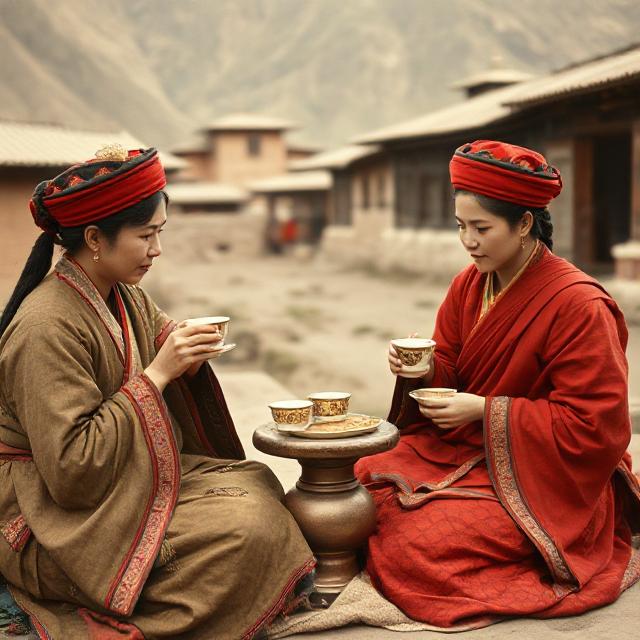
Tea Culture in Tibet
Tibet's tea culture is deeply intertwined with its unique geography, history, and traditions. Nestled high in the Himalayas, tea plays a vital role in Tibetan daily life, not only as a refreshing beverage but also as a symbol of hospitality and warmth. The consumption of tea in Tibet dates back many centuries, influenced by trade along the ancient Tea Horse Road, where tea bricks were transported from China. Over time, tea became an essential part of Tibetan society, blending harmoniously with its culinary and spiritual practices.
Popular Tea in Tibet
The most iconic tea in Tibet is butter tea, known locally as "po cha." This distinctive beverage is made by mixing brewed black tea with yak butter and salt, then churning it to create a rich, creamy consistency. Butter tea is not only a source of hydration in Tibet's cold, arid climate but also provides essential calories and nutrients needed to endure the harsh environment. The tea’s unique flavor profile reflects the traditional Tibetan diet and lifestyle.
Food Pairing with Tea in Tibet
Butter tea is often paired with traditional Tibetan foods such as tsampa, a roasted barley flour that locals mix with their tea to make a soft, dough-like meal. It is also complemented by momos, steaming dumplings filled with meat or vegetables, and dried yak meat, which is a staple protein source in the region. Together, these pairings provide nourishment and are an integral part of Tibetan hospitality.
Interesting Facts
- Tea bricks were historically used as currency in Tibet due to their high value and portability.
- On average, a Tibetan might consume many cups of butter tea daily—some estimate up to 40!
- Butter tea is often served in religious ceremonies and offered to monks as a sign of respect.
- The tea leaves used in Tibetan butter tea are typically fermented and imported predominantly from China's Yunnan province.
- Churning butter tea wasn’t always done by hand; traditional wooden churners are still used in rural areas.
Tibetan tea culture is a fascinating blend of practicality, tradition, and spirituality, embodying the resilience and warmth of its people.
Japan
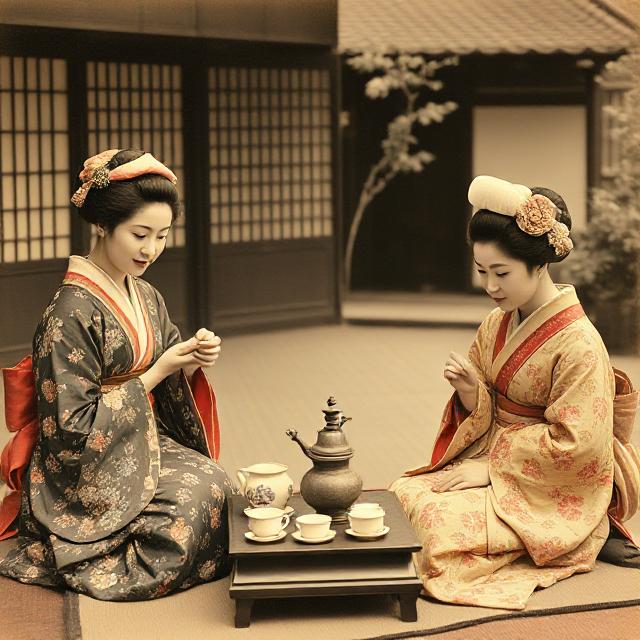
Japan's tea culture is deeply rooted in its history, tradition, and aesthetic practices. The Japanese tea ceremony, or "chanoyu," is a profound expression of mindfulness, harmony, and respect, which has been practiced for centuries. Tea in Japan is more than just a beverage—it is a way of life, intimately tied to the country's spiritual and cultural fabric.
History of Tea in Japan
Tea was introduced to Japan from China during the early Heian period (794-1185) by Buddhist monks who used tea as a stimulant during meditation. Over time, tea became widely cultivated and consumed in Japan. During the late 12th century, the practice of drinking powdered green tea, or matcha, gained popularity thanks to Zen Buddhist monk Eisai. The formalized tea ceremony, heavily influenced by Zen principles, was developed in the 15th century by the great tea master Sen no Rikyū, whose teachings still influence Japanese tea culture to this day.
Popular Types of Tea
Japanese tea culture is renowned for a variety of teas, each with its distinct flavor and characteristics:
- Matcha: A powdered green tea used in tea ceremonies, it has a rich, umami flavor profile.
- Sencha: The most commonly consumed tea in Japan, offering a balance of sweetness and bitterness.
- Gyokuro: A premium green tea with a mellow and sweet taste, grown under shade to enrich its flavor.
- Hojicha: A roasted green tea with a toasty, nutty flavor, enjoyed for its low caffeine content.
- Genmaicha: A blend of green tea and roasted brown rice, providing a unique, earthy taste.
Food Pairing with Tea
Japanese teas are often paired with traditional dishes to enhance culinary experiences. For example:
- Matcha complements sweet wagashi desserts, balancing sweetness with its slightly bitter profile.
- Sencha pairs well with sushi and sashimi, as its fresh and grassy notes cleanse the palate.
- Hojicha is a popular choice to accompany grilled or roasted meats, as its roasted tones complement savory flavors.
- Genmaicha, with its nutty warmth, matches well with rice-based dishes or light snacks.
Interesting Facts
- Japan has a National Tea Day, celebrated on October 1st, to honor the country's rich tea heritage.
- Matcha preparation involves using a bamboo whisk, or "chasen," to create a frothy, vibrant green tea.
- The Japanese tea ceremony can take several hours, emphasizing slow, deliberate movements and careful attention to detail.
- Many Japanese garden designs include tea houses, providing a serene setting for tea ceremonies.
- The cultivation of tea leaves for Gyokuro involves shading plants with straw or cloth for three weeks before harvest, enhancing sweetness and flavor.
Japanese tea culture is a perfect interplay of history, artistry, and mindfulness that continues to thrive in modern times, offering enriching experiences to both locals and visitors alike.
Africa
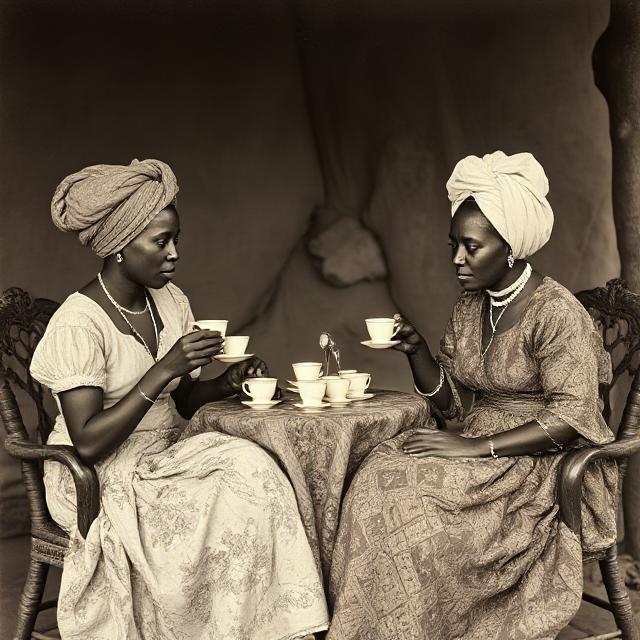
History of Tea in Africa
Tea has a rich and diverse history in Africa, closely tied to both colonial influences and traditional practices. The introduction of tea to Africa began during the colonial period when tea plants were brought to countries such as Kenya, Malawi, and Tanzania. Due to suitable climates and fertile soils, these regions became key producers of black tea, with Kenya eventually emerging as one of the world’s leading tea exporters. Over time, tea drinking evolved, blending local customs with global influences, and has become an integral part of African daily life and hospitality.
Popular Types of Tea in Africa
The most renowned type of tea in Africa is black tea, particularly the robust and flavorful varieties cultivated in Kenya and neighboring countries. Rooibos, also known as "red bush tea," is another iconic South African herbal brew, distinguished by its earthy taste and caffeine-free nature. Honeybush, another South African specialty, offers a sweet and aromatic herbal alternative. Additionally, green and white teas are increasingly popular, reflecting a broader global appreciation for their health benefits.
Tea and Food Pairing in Africa
African tea culture often includes pairing tea with delicious local cuisines. For example, a cup of strong black tea is commonly served with mandazi, a lightly sweetened fried dough popular in East Africa. In South Africa, rooibos tea is often enjoyed alongside rusks – a dry, biscuit-like snack perfect for dunking. Sweet and spiced Somali shaah (tea) complements traditional pastries, such as sambusas, beautifully. The diverse flavors of African tea pair wonderfully with savory and sweet dishes, enriching mealtime experiences across the continent.
Interesting Facts
- Kenya is the third-largest tea producer globally, following China and India, and is renowned for its high-quality black tea.
- Rooibos tea is indigenous to South Africa and has been consumed for centuries by the Khoisan people for its medicinal properties.
- African tea ceremonies, especially in countries like Morocco, often involve intricate preparation processes and reflect warm hospitality.
- Moroccan mint tea, a symbol of culture and social interaction, blends green tea with fresh mint leaves and sugar, creating a refreshing beverage.
- Malawi was the first African country to commercially grow tea, with production starting in the late 19th century.
Tea culture in Africa is as vibrant and diverse as the continent itself, shaped by history, traditions, and the unique characteristics of its people and landscapes. Whether it’s the boldness of Kenyan tea, the earthy aroma of rooibos, or the sweetness of Moroccan mint tea, African tea culture offers something for everyone to enjoy.
Morocco
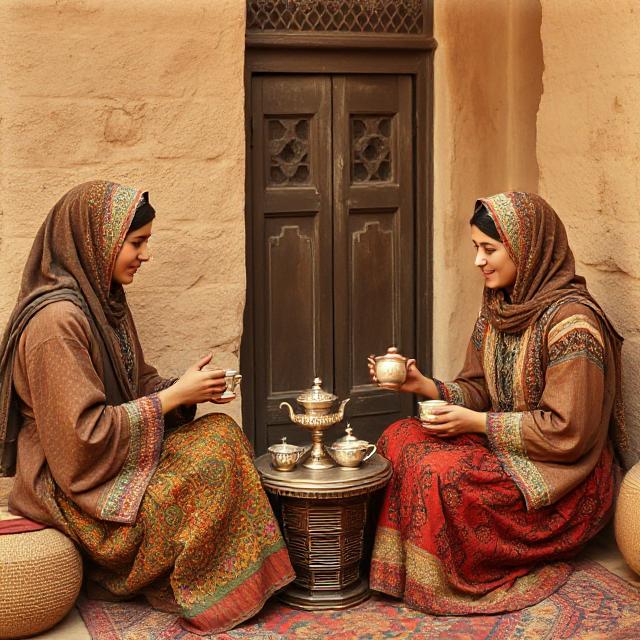
Morocco is renowned for its deep-rooted tea culture, with tea playing a vital role in social life and hospitality. Tea in Morocco is more than just a beverage; it is a symbol of warmth, generosity, and shared moments. When guests visit a Moroccan home, serving tea is an essential gesture of welcome and friendship.
History of Tea in Morocco
Tea was introduced to Morocco in the 18th century, likely through trade routes and interactions with European merchants. Over time, Moroccans developed their uniquely distinctive tea traditions, incorporating local flavors and rituals. The most iconic Moroccan tea—green tea with mint—originated as a blend of Chinese gunpowder green tea and fresh spearmint leaves. Its preparation has become a significant aspect of Moroccan culture, showcasing both skill and artistry.
The Art of Moroccan Tea
The preparation of Moroccan mint tea is considered an art form. Traditionally, the process is conducted by the host or head of the household, and its presentation is just as important as its flavor. The tea is brewed with a generous amount of sugar, fresh mint, and sometimes additional herbs. It is poured from a height to create bubbles on the surface, which signifies that the tea has been properly aerated and mixed.
Popular Tea in Morocco
The most famous tea in Morocco is "Moroccan mint tea" or "atay bil na’na." This iconic drink is made using Chinese gunpowder green tea, fresh mint, and sugar. Depending on the region and local traditions, the flavor can vary slightly, with some adding other herbs, like wormwood or verbena, for a unique twist. It is enjoyed hot year-round and is a staple at family gatherings, social events, and daily meals.
Tea and Food Pairing
Moroccan tea pairs wonderfully with both savory and sweet foods:
- Savory Pairings: Mint tea is commonly served with dishes such as couscous, tagines, and flatbreads. The tea’s sweetness provides a refreshing contrast to the rich, spiced flavors of Moroccan cuisine.
- Sweet Pairings: Moroccan mint tea is frequently enjoyed with pastries like baklava, almond briouats, or chebakia (honey-soaked sesame cookies). These sweet treats complement the minty tea perfectly, creating a harmonious balance of flavors.
Interesting Facts
- Tea in Morocco is traditionally served three times during a gathering, with each serving slightly differing in flavor. A famous proverb says, “The first glass is as gentle as life, the second as strong as love, and the third as bitter as death.”
- Moroccans often use ornate silver teapots and serve tea in colorful glasses to elevate the visual experience of tea drinking.
- The tea-pouring height is a signature part of Moroccan tea ceremonies and is said to enhance the tea’s flavor and texture while showing hospitality.
- Morocco is one of the largest importers of Chinese green tea, reflecting the country’s love for the drink and its integral place in Moroccan culture.
Tea culture in Morocco is a vibrant and cherished tradition, blending history, symbolism, and community spirit with every cup. Whether you are savoring a glass in the bustling streets of Marrakech or in the comfort of a Moroccan home, the experience of Moroccan tea is truly unforgettable.
Sri Lanka
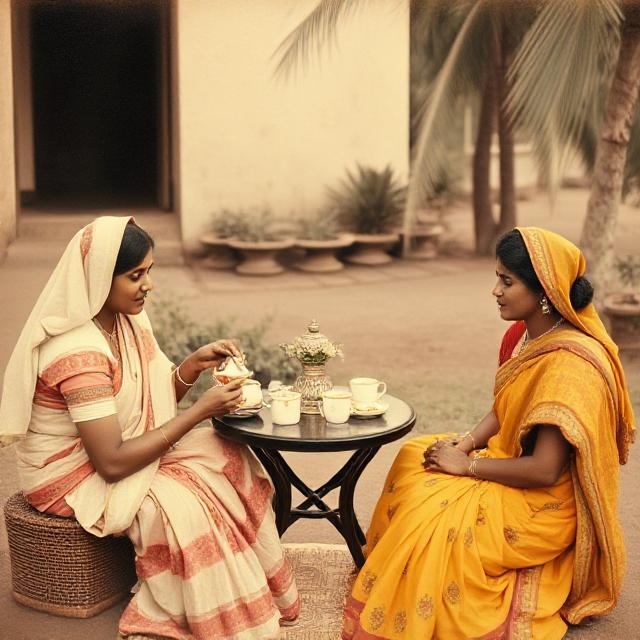
Tea Culture in Sri Lanka
Sri Lanka, often referred to as the "Island of Tea," is renowned worldwide for its high-quality tea. Formerly known as Ceylon, the country is synonymous with Ceylon tea, which has become a global brand representing excellence. Tea plays a central role in Sri Lankan culture, both as a source of livelihood and a beloved beverage enjoyed by locals and visitors alike.
History of Tea in Sri Lanka
The origins of tea cultivation in Sri Lanka date back to the 19th century when the British colonial rulers introduced it to the island. Initially, the country was dominated by coffee plantations, but a devastating coffee blight in the 1860s prompted the shift to tea cultivation. James Taylor, a Scottish planter, is credited with planting the first commercial tea estate in 1867 in Kandy. This marked the beginning of Sri Lanka's rise as one of the world's leading tea producers. Today, tea accounts for a significant portion of Sri Lanka's economy and remains a proud symbol of the nation's heritage.
Popular Teas in Sri Lanka
Ceylon tea comes in a variety of flavors and types, depending on the region where it is grown. The three primary tea-producing regions—Low Country, Mid Country, and Up Country—yield unique teas with distinct characteristics:
- Low Country Tea (Black Tea, Ceylon): Grown at lower elevations, this tea is robust, full-bodied, and often used in strong blends.
- Mid-Country High-Grown Tea: Produced at moderate elevations, it strikes a delightful balance with medium strength and rich flavor.
- Up Country Tea (High-Grown Tea): From the highlands, this tea is light, aromatic, and often described as having a crisp, refreshing character.
Sri Lanka is also famous for its flavored teas, including those infused with spices, fruits, and herbs to cater to a variety of palates.
Food Pairing with Sri Lankan Tea
Sri Lankan tea pairs beautifully with many foods, enhancing the dining experience. Black Ceylon tea is commonly enjoyed with traditional Sri Lankan snacks like pol roti (coconut flatbread) and hoppers. For a more indulgent pairing, Ceylon tea complements desserts such as watallapam (a coconut custard pudding) or spiced biscuits. Green and floral teas are excellent choices with lighter fare, like fresh fruit, salads, or seafood dishes.
Interesting Facts
- Sri Lanka is the fourth-largest tea producer in the world.
- The world-famous Lipton tea originated in Sri Lanka, created by Sir Thomas Lipton, a Scottish entrepreneur.
- Nearly one million Sri Lankans are employed in the tea industry.
- The “Tea Train” from Kandy to Ella is a popular tourist experience, offering stunning views of tea plantations.
- Sri Lanka hosts an annual tea festival celebrating its rich tea heritage, showcasing local varieties and traditions.
Tea in Sri Lanka is more than just a beverage; it is a history-laden cultural experience that reflects the country's identity, hospitality, and connection to nature. A visit to the lush tea estates and a taste of freshly brewed Ceylon tea offers an unforgettable glimpse into the soul of Sri Lanka.
Russia
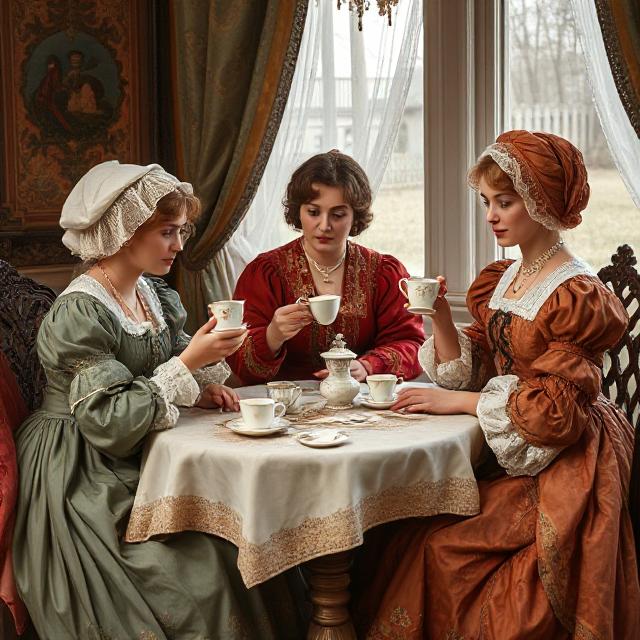
Russia boasts a centuries-old tea culture that is rich in traditions and unique practices. Unlike many other nations, tea in Russia is deeply ingrained in social life, symbolizing warmth, hospitality, and community. Tea gatherings, often accompanied by lively conversations, are an essential part of Russian households, where the beverage serves as a comforting centerpiece.
History of Tea in Russia
Tea was first introduced to Russia in the 17th century when it was brought via trade routes from China. The long and arduous trek across Siberia made tea a luxury item initially enjoyed by the aristocracy. Over time, tea became more accessible, establishing itself as a household staple. The iconic samovar, a traditional metal container used to heat water and brew tea, became a symbol of Russian tea culture and an indispensable part of tea rituals.
Popular Tea Choices
While black tea remains the most consumed type in Russia and herbal teas are also favored, particularly for health benefits. Traditional Russian tea is often robust and highly aromatic, served with sugar, honey, or jam for added sweetness. One popular variation is "Zavarka," where a concentrated tea base is brewed in a small pot and diluted with hot water to the desired strength.
Tea and Food Pairings
Tea in Russia is more than just a beverage; it forms a delightful pair with an array of traditional foods. Sweet treats like pryaniki (spiced gingerbread), varenye (fruit preserves), and blini (thin pancakes) are popular accompaniments. Savory options include pirozhki (stuffed pastries) and rye bread with butter, which balance the tea’s flavors. The experience of Russian tea is as much about the food as it is about the beverage itself.
Interesting Facts About Tea in Russian Culture
- The word "samovar" means "self-boiler" in Russian, and it has been a tea-making staple for over 300 years.
- Tea is often sweetened not just with sugar but also with jam, a quintessentially Russian custom.
- Serving tea to guests is a sign of hospitality, and it is customary to refill guests' cups as a gesture of generosity.
- Russia is home to several tea-producing regions, most notably Krasnodar in the southern part of the country, which cultivates tea under unique climatic conditions.
Tea culture in Russia is a beautiful blend of history, tradition, and social warmth, offering a glimpse into the heart of this nation. Whether enjoyed at a formal gathering or during casual family time, tea remains an inseparable part of Russian life.
Like this article? Discover more at Classic Historia for a deeper exploration into the past that has shaped our world.
Stay connected with Classic Historia and discover more timeless treasures by following us on our social media platforms:

Business Phone Number:
(833) 222-7544
Business Address:
Classic Historia
1220 Oak Street, Suite J PMB1007
Bakersfield, CA 93304-1072
United States